
ewwe

Práticas Têxteis como Redes da Criação: matéria, circulação e narrativa contemporânea

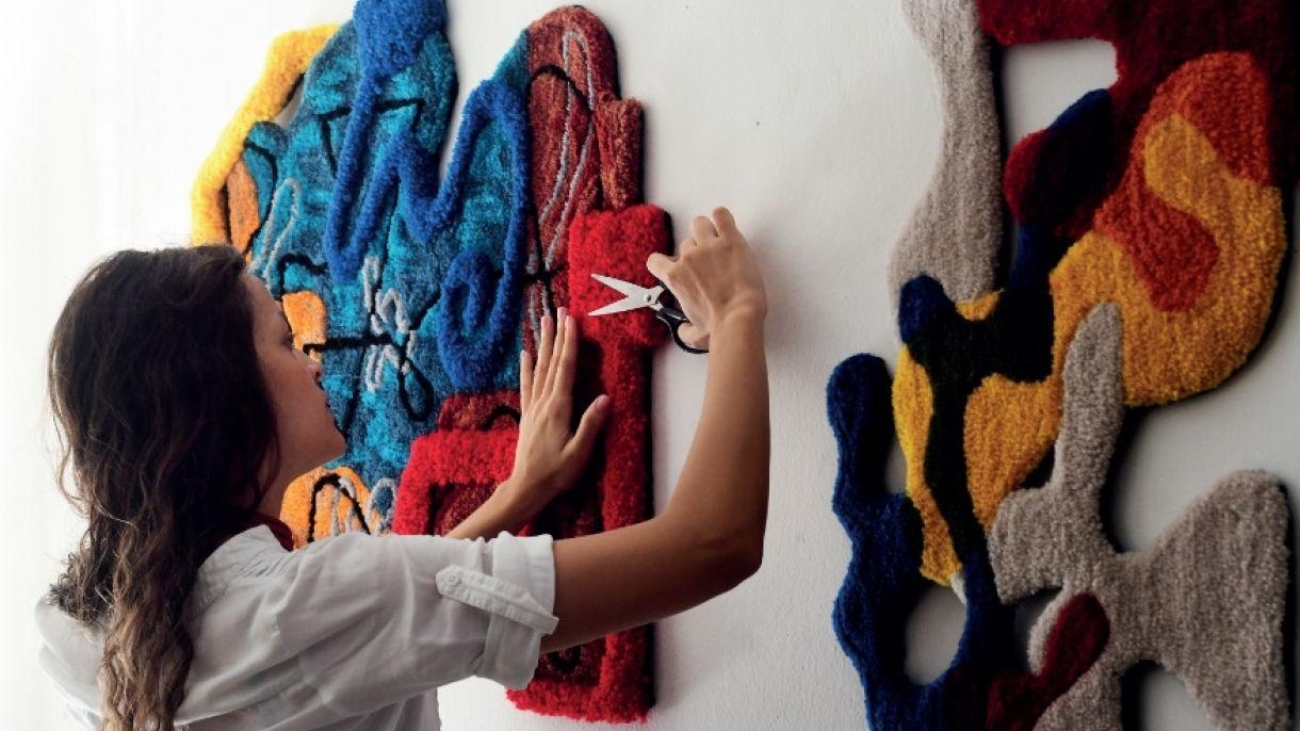
As práticas têxteis contemporâneas vêm ocupando um lugar cada vez mais complexo dentro da arte, da pesquisa e dos estudos culturais. O que antes era frequentemente associado apenas ao campo do artesanato doméstico hoje aparece como linguagem crítica, sistema de arquivo, dispositivo narrativo e metodologia de investigação artística. Nesse deslocamento, o fazer manual deixa de ser compreendido como técnica decorativa e passa a operar como produção de conhecimento.

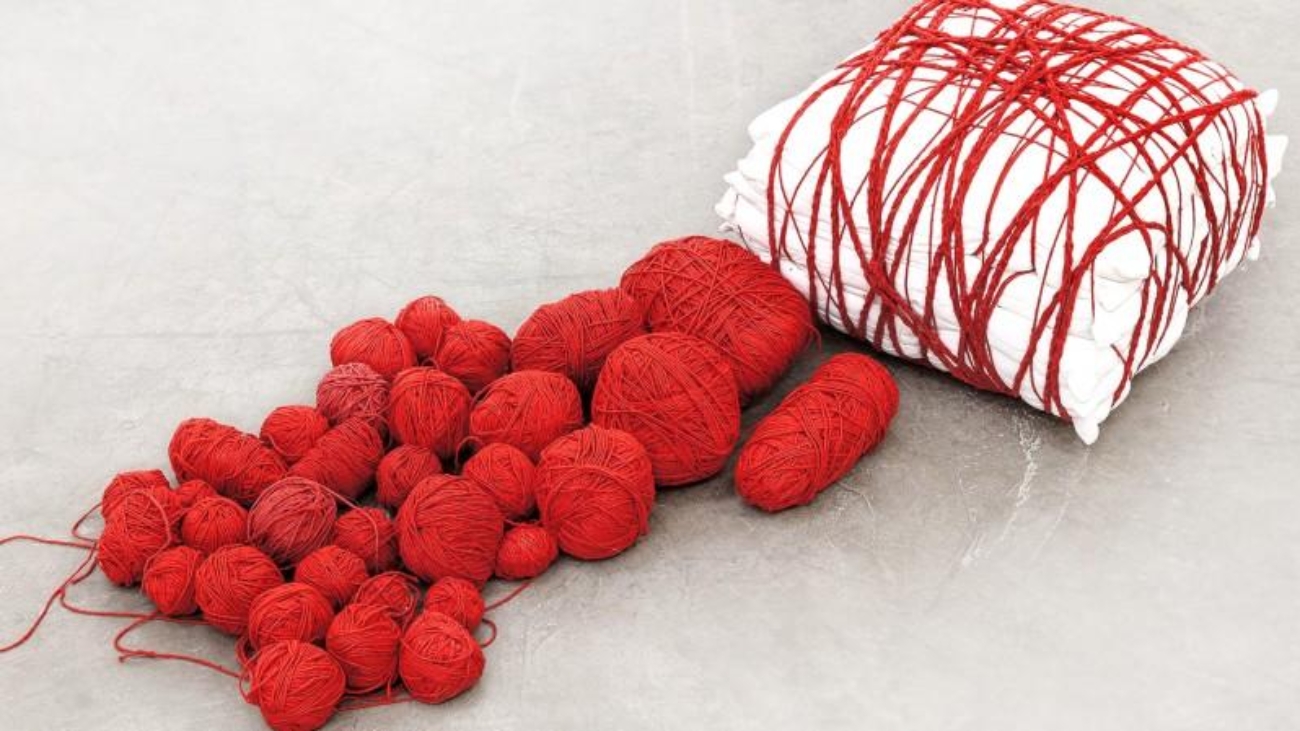
O fio, nesse contexto, não funciona apenas como matéria física. Ele atua como elemento relacional. Une tempos, corpos, memórias e experiências. Cada trama carrega vestígios do gesto, da repetição e da duração. Diferente da lógica industrial — baseada em velocidade, padronização e apagamento da mão humana — o trabalho têxtil preserva irregularidades, pausas e marcas processuais. O erro deixa de ser falha e passa a integrar a narrativa da obra.
Pensar o fazer têxtil como “rede da criação” significa deslocar o olhar do objeto final para os processos que constroem a obra. A criação deixa de existir apenas no resultado acabado e passa a se expandir em registros, anotações, fotografias, plataformas digitais, compartilhamentos e experiências coletivas. O processo torna-se tão importante quanto a peça final.

Essa perspectiva dialoga diretamente com os estudos de processo desenvolvidos por Cecilia Almeida Salles, especialmente quando compreende a criação artística como sistema em constante transformação. A obra não nasce de maneira linear. Ela emerge de relações, deslocamentos, interferências e reorganizações contínuas. Nesse sentido, o crochê contemporâneo pode ser entendido como prática processual e não apenas como produção material.

As plataformas digitais ampliam ainda mais essa lógica. Fotografias de etapas, vídeos curtos, fragmentos de linhas, erros, bastidores e arquivos passam a circular como parte da experiência estética. O trabalho não termina no tecido físico. Ele continua existindo na imagem compartilhada, na mediação digital e na narrativa construída coletivamente em torno da obra.
Essa transformação altera também a própria ideia de autoria. O processo criativo deixa de ser experiência isolada para tornar-se campo de circulação. Comentários, trocas, registros e interpretações passam a interferir na construção narrativa do trabalho. A obra torna-se relacional.

No campo da arte contemporânea, essa abordagem aproxima o têxtil de práticas arquivísticas e documentais. Fragmentos de tecido, fotografias, papéis, linhas e anotações passam a operar como sistemas de memória. O trabalho manual deixa de ocupar uma posição secundária para assumir potência crítica e conceitual.

O fazer têxtil contemporâneo, portanto, não se limita à produção de objetos. Ele produz modos de presença, formas de mediação cultural e experiências narrativas que atravessam matéria, corpo e circulação digital.
ddd

O processo como linguagem: mediação digital e circulação do fazer artístico

Grande parte da tradição artística ocidental foi construída a partir da valorização do objeto finalizado. O público acessava apenas o resultado concluído. Os processos permaneciam invisíveis, restritos ao espaço íntimo do artista. Na contemporaneidade, essa lógica sofre uma ruptura importante: o processo passa a ocupar o centro da experiência estética.

Nas práticas têxteis, essa mudança torna-se especialmente evidente. O crochê, o bordado e a costura carregam temporalidades lentas, repetitivas e acumulativas. O tempo da construção permanece visível na própria matéria.

Com o avanço das plataformas digitais, o processo deixa de ser bastidor e passa a circular publicamente. Fotografias de etapas, vídeos curtos, registros de erro, fios soltos e estruturas incompletas tornam-se parte fundamental da narrativa da obra.

Essa circulação altera a relação entre artista e observador. O público deixa de consumir apenas o resultado e passa a acompanhar percursos, decisões, hesitações e transformações. O processo compartilhado produz proximidade e participação.

Ao mesmo tempo, as plataformas interferem diretamente na própria construção visual dos trabalhos. Elementos como textura, repetição, fragmentação e detalhe tornam-se centrais porque dialogam com a lógica imagética das redes digitais. A circulação começa a influenciar a criação.

Essa dinâmica transforma plataformas digitais em dispositivos de mediação cultural. Elas não funcionam apenas como espaços de divulgação, mas como ambientes que reorganizam narrativas, temporalidades e modos de percepção da obra.

Nas práticas têxteis contemporâneas, matéria e circulação tornam-se inseparáveis. O fio atravessa simultaneamente o espaço manual e o ambiente digital. A obra continua existindo na documentação, na imagem compartilhada e nas relações produzidas em torno dela.

O processo deixa de ser apenas caminho. Ele se torna linguagem.

demo-attachment-1403-mostafa-meraji-BvwCO2B8a8U-unsplash

Mantegna and Bellini review: ‘Distinct masters of their craft’

But I must explain to you how all this mistaken idea of denouncing pleasure and praising pain was born and I will give you a complete account of the system, and expound the actual teachings of the great explorer of the truth, the master-builder of human happiness. No one rejects, dislikes, or avoids pleasure itself, because it is pleasure, but because those who do not know how to pursue pleasure ra obtain some advantage from it? But who has any right to find fault with a man who chooses to enjoy a pleasure that has no annoying consequences, or one who avoids a pain that produces no resultant pleasure? On the other hand, we denounce with righteous indignation and dislike men who are so beguiled and demoralized by the charms of pleasure of the moment, so blinded by desire, that they cannot foresee the pain and trouble that are bound to ensue; and equal blame belongs to those who fail in their duty through weakness of will, which is the same as saying through shrinking from toil and pain.

But I must explain to you how all this mistaken idea of denouncing pleasure and praising pain was born and I will give you a complete account of the system, and expound the actual teachings of the great explorer of the truth, the master-builder of human happiness. No one rejects, dislikes, or avoids pleasure itself, because it is pleasure, but because those who do not know how to pursue pleasure ra obtain some advantage from it? But who has any right to find fault with a man who chooses to enjoy a pleasure that has no annoying consequences, or one who avoids a pain that produces no resultant pleasure? On the other hand, we denounce with righteous indignation and dislike men who are so beguiled and demoralized by the charms of pleasure of the moment, so blinded by desire, that they cannot foresee the pain and trouble that are bound to ensue; and equal blame belongs to those who fail in their duty through weakness of will, which is the same as saying through shrinking from toil and pain.

But I must explain to you how all this mistaken idea of denouncing pleasure and praising pain was born and I will give you a complete account of the system, and expound the actual teachings of the great explorer of the truth, the master-builder of human happiness. No one rejects, dislikes, or avoids pleasure itself, because it is pleasure, but because those who do not know how to pursue pleasure ra obtain some advantage from it? But who has any right to find fault with a man who chooses to enjoy a pleasure that has no annoying consequences, or one who avoids a pain that produces no resultant pleasure? On the other hand, we denounce with righteous indignation and dislike men who are so beguiled and demoralized by the charms of pleasure of the moment, so blinded by desire, that they cannot foresee the pain and trouble that are bound to ensue; and equal blame belongs to those who fail in their duty through weakness of will, which is the same as saying through shrinking from toil and pain.

But I must explain to you how all this mistaken idea of denouncing pleasure and praising pain was born and I will give you a complete account of the system, and expound the actual teachings of the great explorer of the truth, the master-builder of human happiness. No one rejects, dislikes, or avoids pleasure itself, because it is pleasure, but because those who do not know how to pursue pleasure rationally encounter consequences that are extremely painful. Nor again is there anyone who loves or pursues or desires to obtain pain of itself, because it is pain, but because occasionally circumstances occur in which toil and pain can procure him some great pleasure. To take a trivial example, which of us ever undertakes laborious physical exercise, except to obtain some advantage from it? But who has any right to find fault with a man who chooses to.

demo-attachment-1404-van-thanh-jEj9xHdgLYg-unsplash

Van Goghos Sunflowers: The misunderstood masterpiece

But I must explain to you how all this mistaken idea of denouncing pleasure and praising pain was born and I will give you a complete account of the system, and expound the actual teachings of the great explorer of the truth, the master-builder of human happiness. No one rejects, dislikes, or avoids pleasure itself, because it is pleasure, but because those who do not know how to pursue pleasure ra obtain some advantage from it? But who has any right to find fault with a man who chooses to enjoy a pleasure that has no annoying consequences, or one who avoids a pain that produces no resultant pleasure? On the other hand, we denounce with righteous indignation and dislike men who are so beguiled and demoralized by the charms of pleasure of the moment, so blinded by desire, that they cannot foresee the pain and trouble that are bound to ensue; and equal blame belongs to those who fail in their duty through weakness of will, which is the same as saying through shrinking from toil and pain.

But I must explain to you how all this mistaken idea of denouncing pleasure and praising pain was born and I will give you a complete account of the system, and expound the actual teachings of the great explorer of the truth, the master-builder of human happiness. No one rejects, dislikes, or avoids pleasure itself, because it is pleasure, but because those who do not know how to pursue pleasure ra obtain some advantage from it? But who has any right to find fault with a man who chooses to enjoy a pleasure that has no annoying consequences, or one who avoids a pain that produces no resultant pleasure? On the other hand, we denounce with righteous indignation and dislike men who are so beguiled and demoralized by the charms of pleasure of the moment, so blinded by desire, that they cannot foresee the pain and trouble that are bound to ensue; and equal blame belongs to those who fail in their duty through weakness of will, which is the same as saying through shrinking from toil and pain.

But I must explain to you how all this mistaken idea of denouncing pleasure and praising pain was born and I will give you a complete account of the system, and expound the actual teachings of the great explorer of the truth, the master-builder of human happiness. No one rejects, dislikes, or avoids pleasure itself, because it is pleasure, but because those who do not know how to pursue pleasure ra obtain some advantage from it? But who has any right to find fault with a man who chooses to enjoy a pleasure that has no annoying consequences, or one who avoids a pain that produces no resultant pleasure? On the other hand, we denounce with righteous indignation and dislike men who are so beguiled and demoralized by the charms of pleasure of the moment, so blinded by desire, that they cannot foresee the pain and trouble that are bound to ensue; and equal blame belongs to those who fail in their duty through weakness of will, which is the same as saying through shrinking from toil and pain.

But I must explain to you how all this mistaken idea of denouncing pleasure and praising pain was born and I will give you a complete account of the system, and expound the actual teachings of the great explorer of the truth, the master-builder of human happiness. No one rejects, dislikes, or avoids pleasure itself, because it is pleasure, but because those who do not know how to pursue pleasure rationally encounter consequences that are extremely painful. Nor again is there anyone who loves or pursues or desires to obtain pain of itself, because it is pain, but because occasionally circumstances occur in which toil and pain can procure him some great pleasure. To take a trivial example, which of us ever undertakes laborious physical exercise, except to obtain some advantage from it? But who has any right to find fault with a man who chooses to.